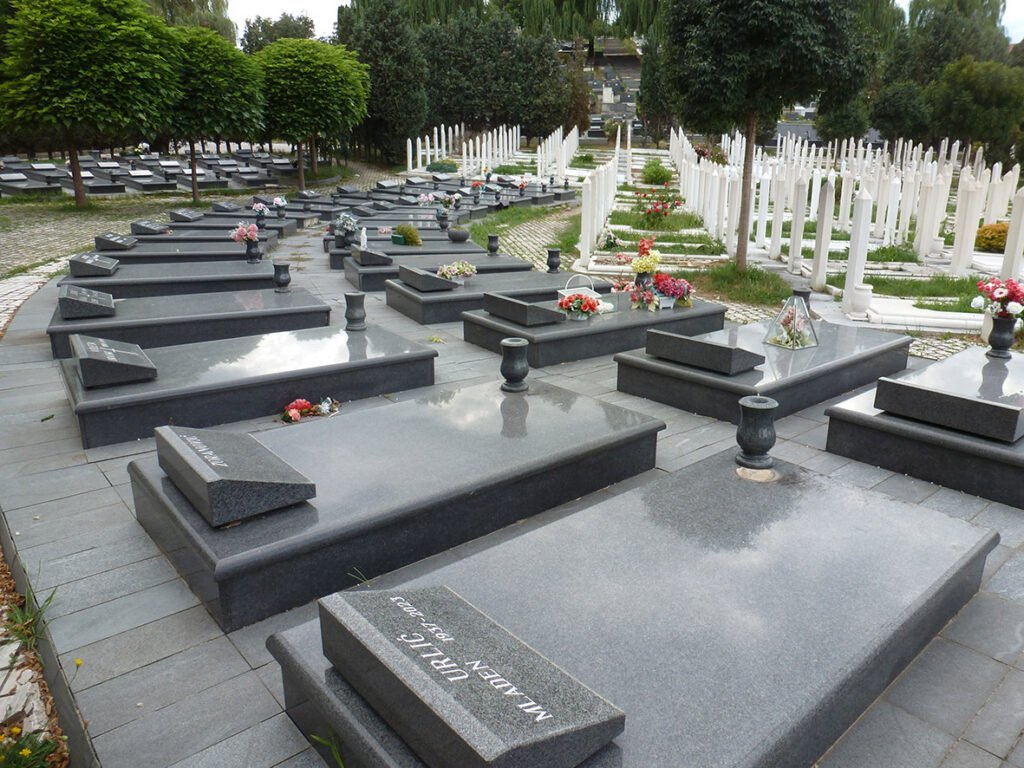
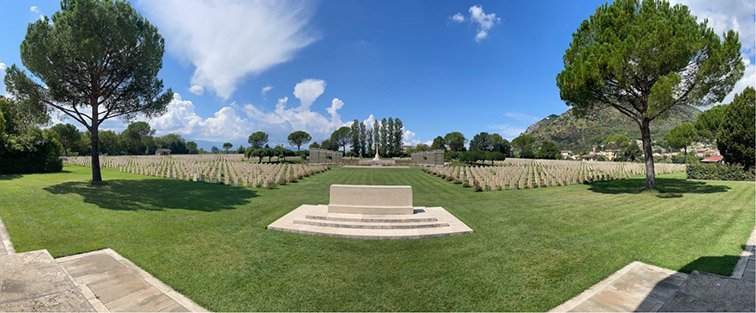
The Bare Cemetery (Groblje Bare) is the main municipal cemetery in Sarajevo, Bosnia and Herzegovina. Located on the hills to the north of the city, it was opened in 1965 as a multi-faith cemetery. It contains graves of different religious communities, including Muslims, Catholics, Orthodox Christians and Jews.

Duringthe siege of Sarajevo (1992–1996), the cemetery took on a particularly important role, becoming the final resting place for many of the war’s victims. Today, it is regarded not only as a place of memory and reflection, but also as a testament to the recent history of Bosnia and Herzegovina and to the coexistence of the city’s different communities.

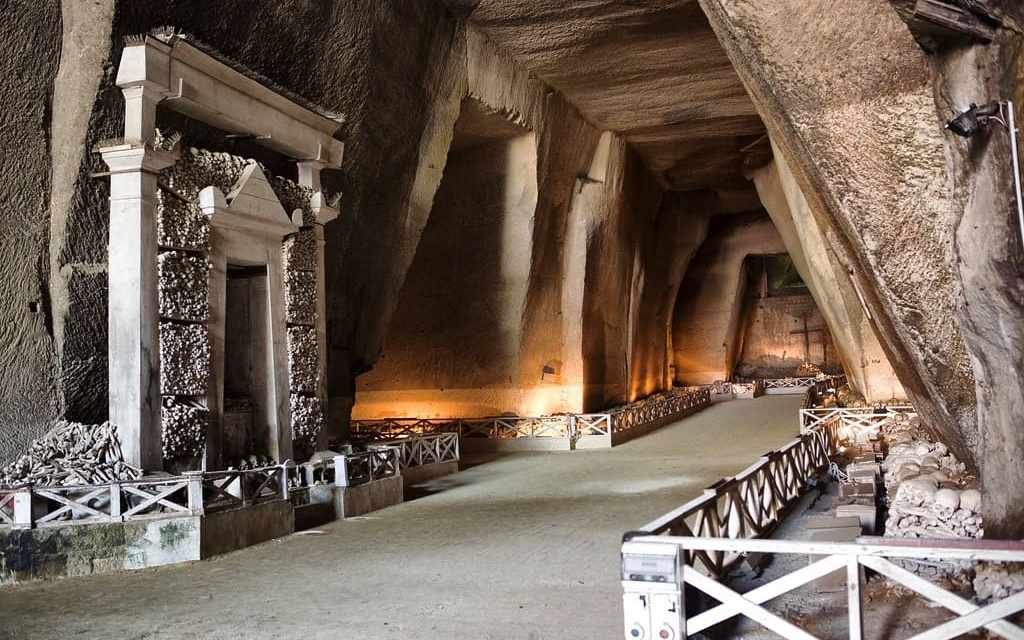
The Fontanelle Cemetery is an historic ossuary located in the Sanità district of Naples, carved out of a large tuff quarry. It houses thousands of human remains, mainly from the plague epidemics, famines and cholera victims that struck the city between the 17th and 19th centuries.

It is renowned for its distinctive popular cult of the “anime pezzentelle”a devotional tradition that involves the faithful symbolically adopting an anonymous skull, caring for it and praying for the soul of the deceased. Today, the site is one of Naples’ most evocative historical and cultural landmarks, bearing witness to the city’s religious and traditional customs.

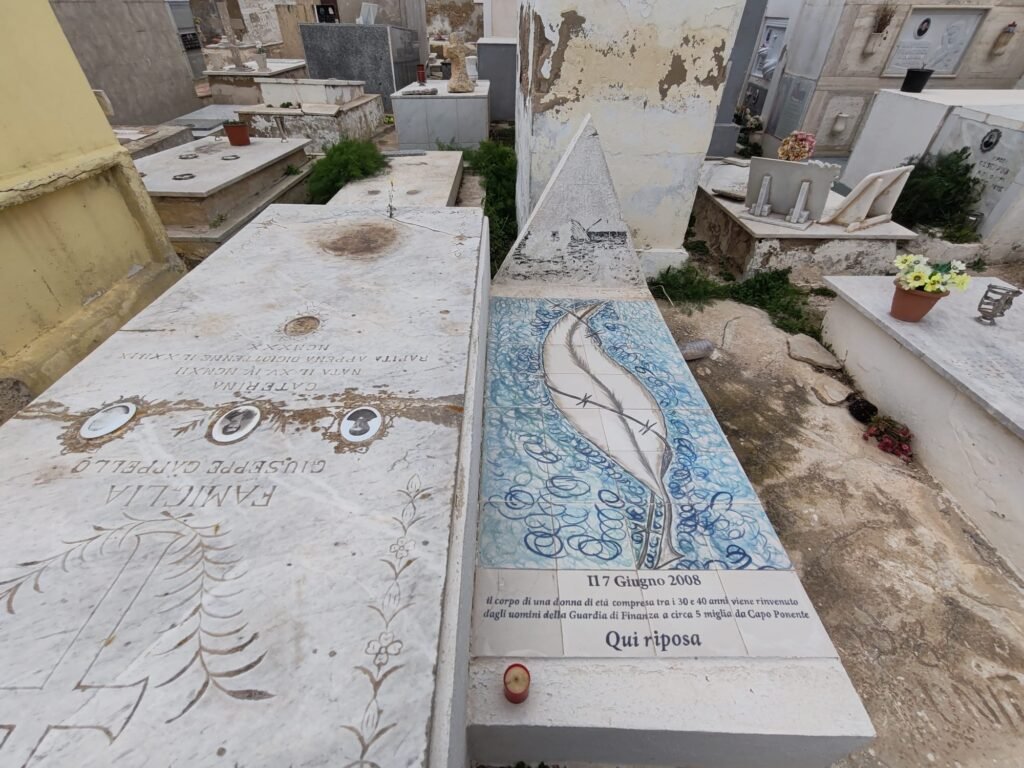
The Lampedusa Cemetery, located on the largest of the Pelagie Islands, is best known for housing the graves of many migrants and shipwreck victims who lost their lives whilst attempting to cross the Mediterranean. Alongside the graves of the island’s residents, the cemetery has become a symbolic site representing the tragedy of migration and commemorating the victims of the sea.

In recent years, it has taken on considerable civic and humanitarian significance, serving as a reminder of the consequences of migration routes and as a place of remembrance for people who have often been left without an identity or any living relatives.

Scroll to Top